

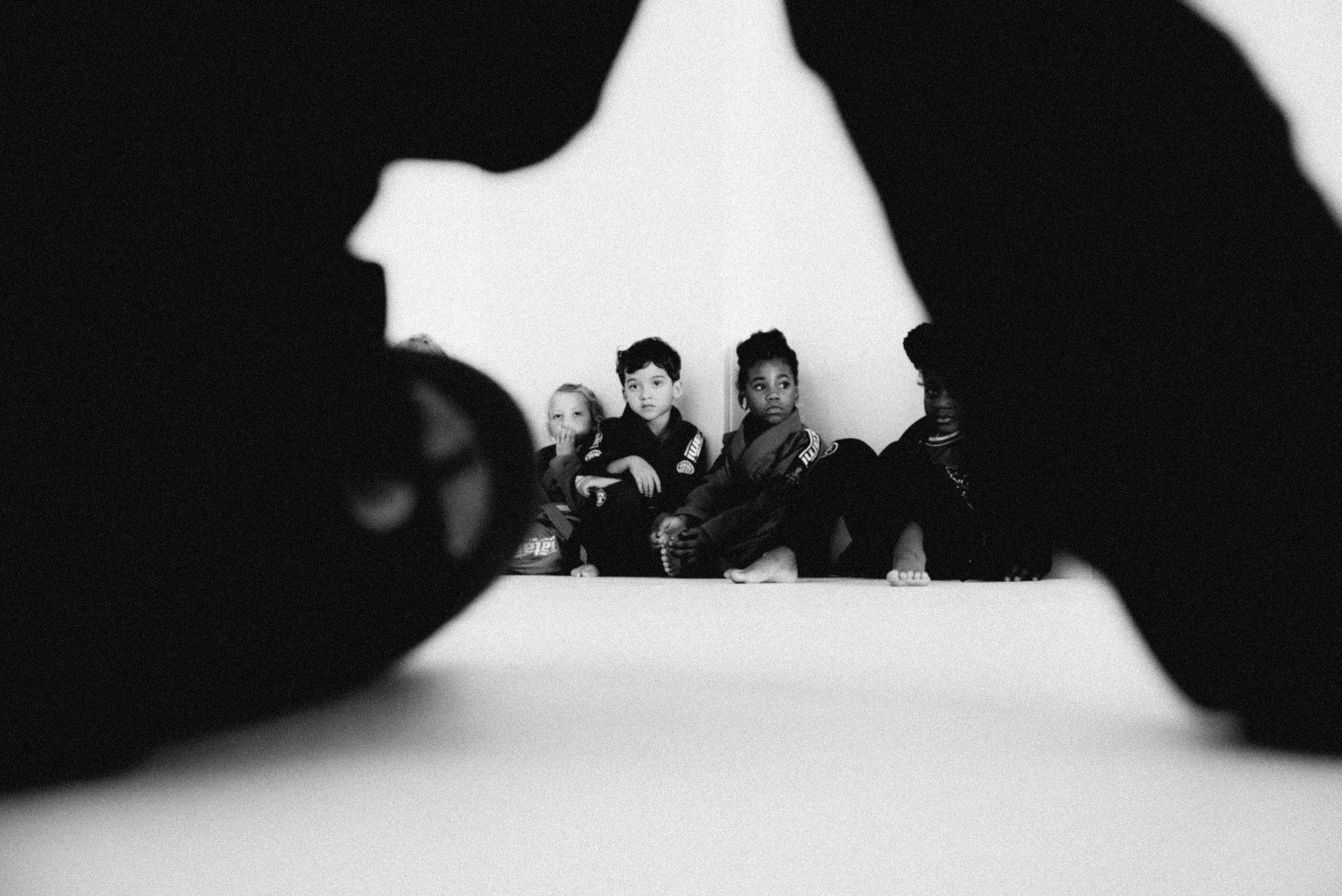
Kids’ & Teens’ BJJ Classes
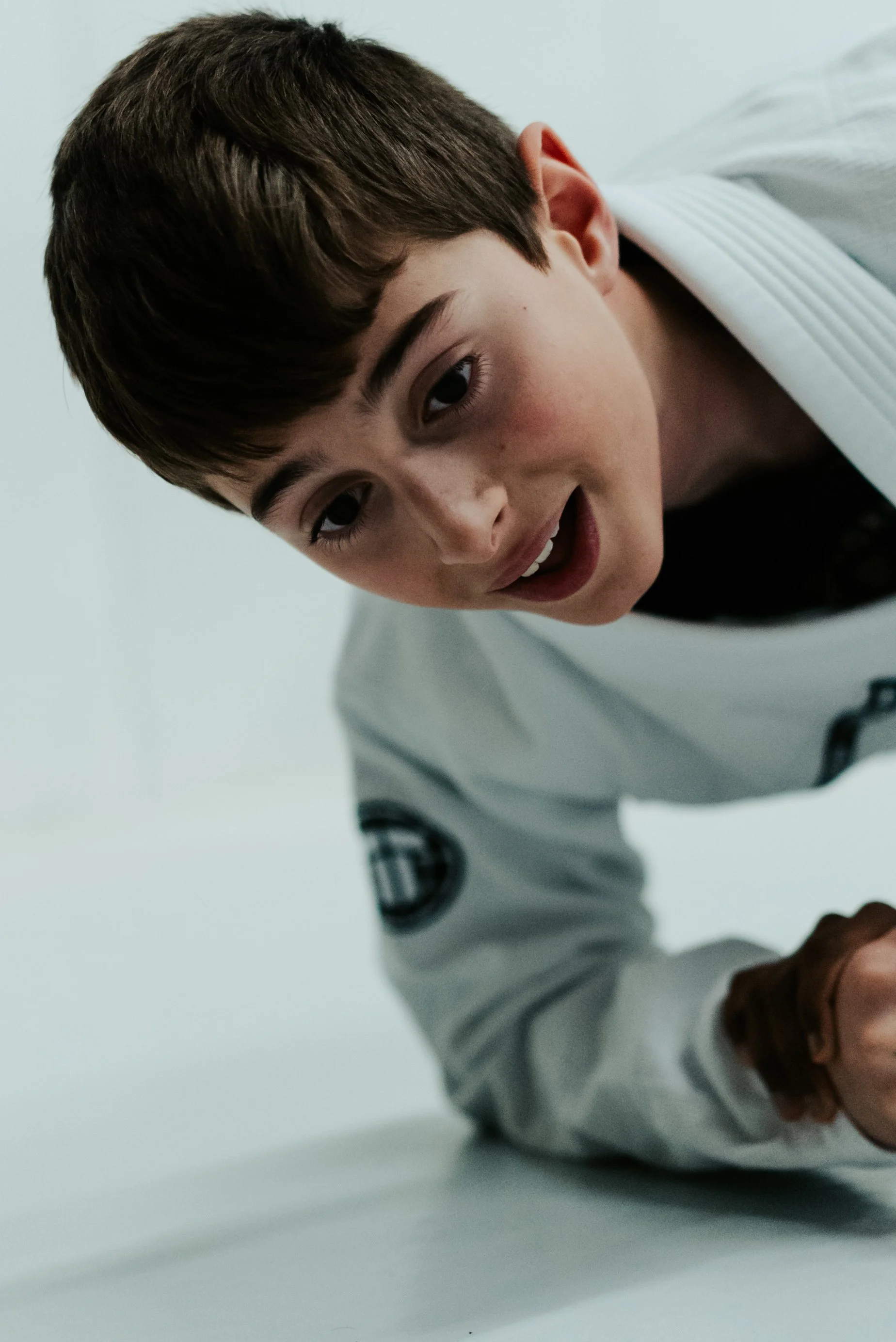
Are you looking for martial arts near me to kickstart your child’s journey? Located conveniently in Deptford, South East London, our BJJ gym is easily accessible and ready to welcome your child into our growing family of young Jiu-Jitsu practitioners.
Whether your child is taking their first step into martial arts or looking to further their skills, our friendly, experienced instructors are here to guide them every step of the way.
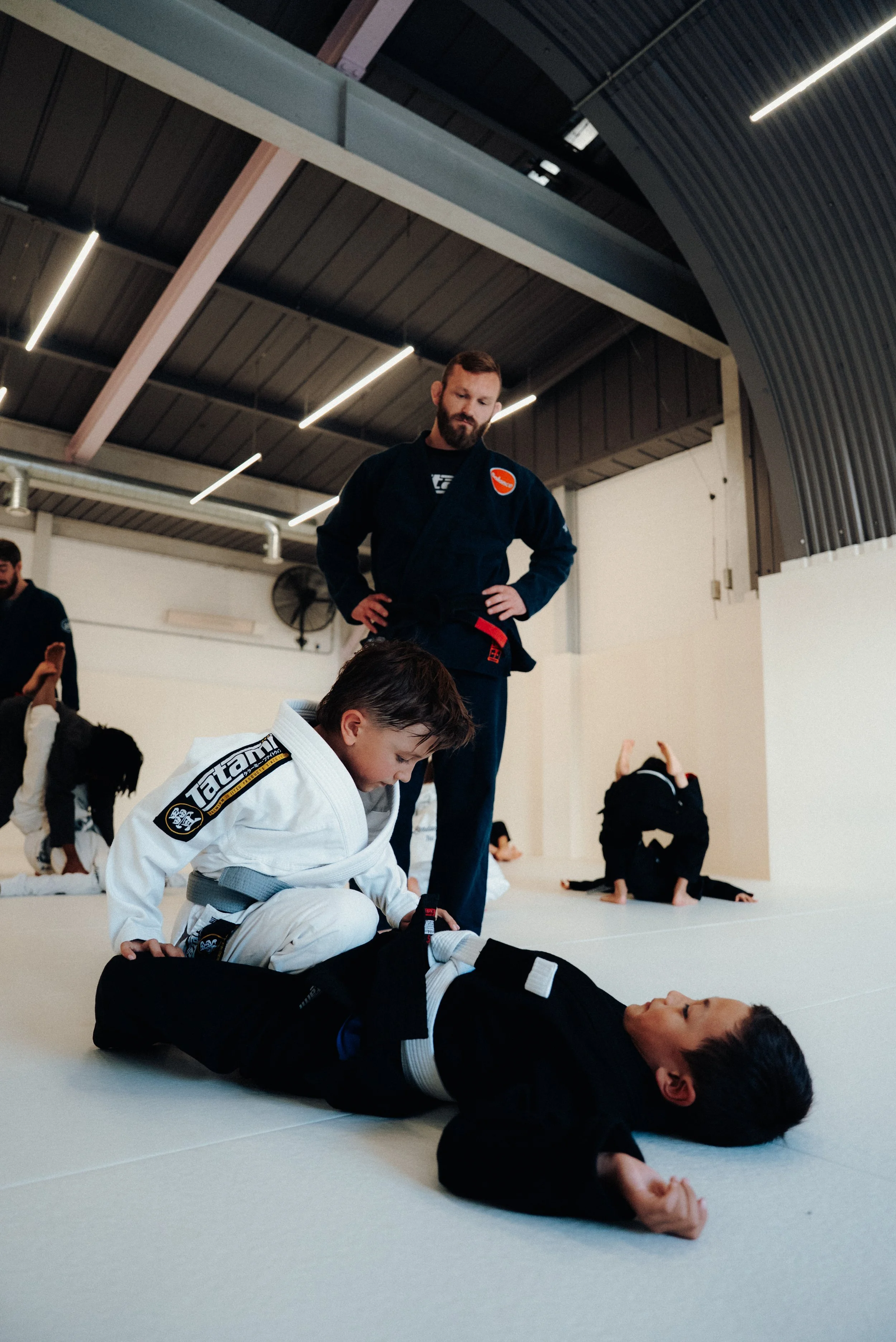
Class Structure
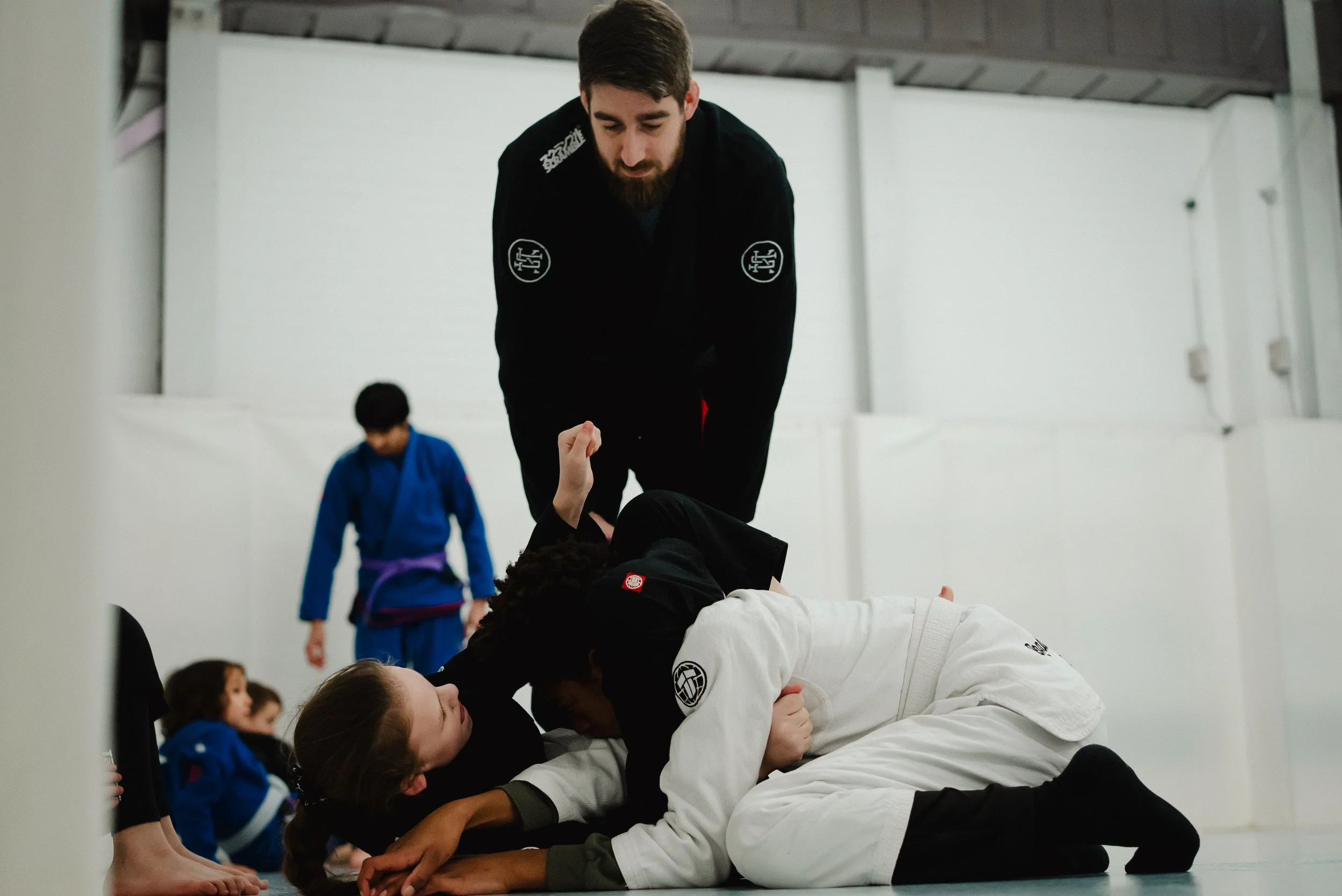
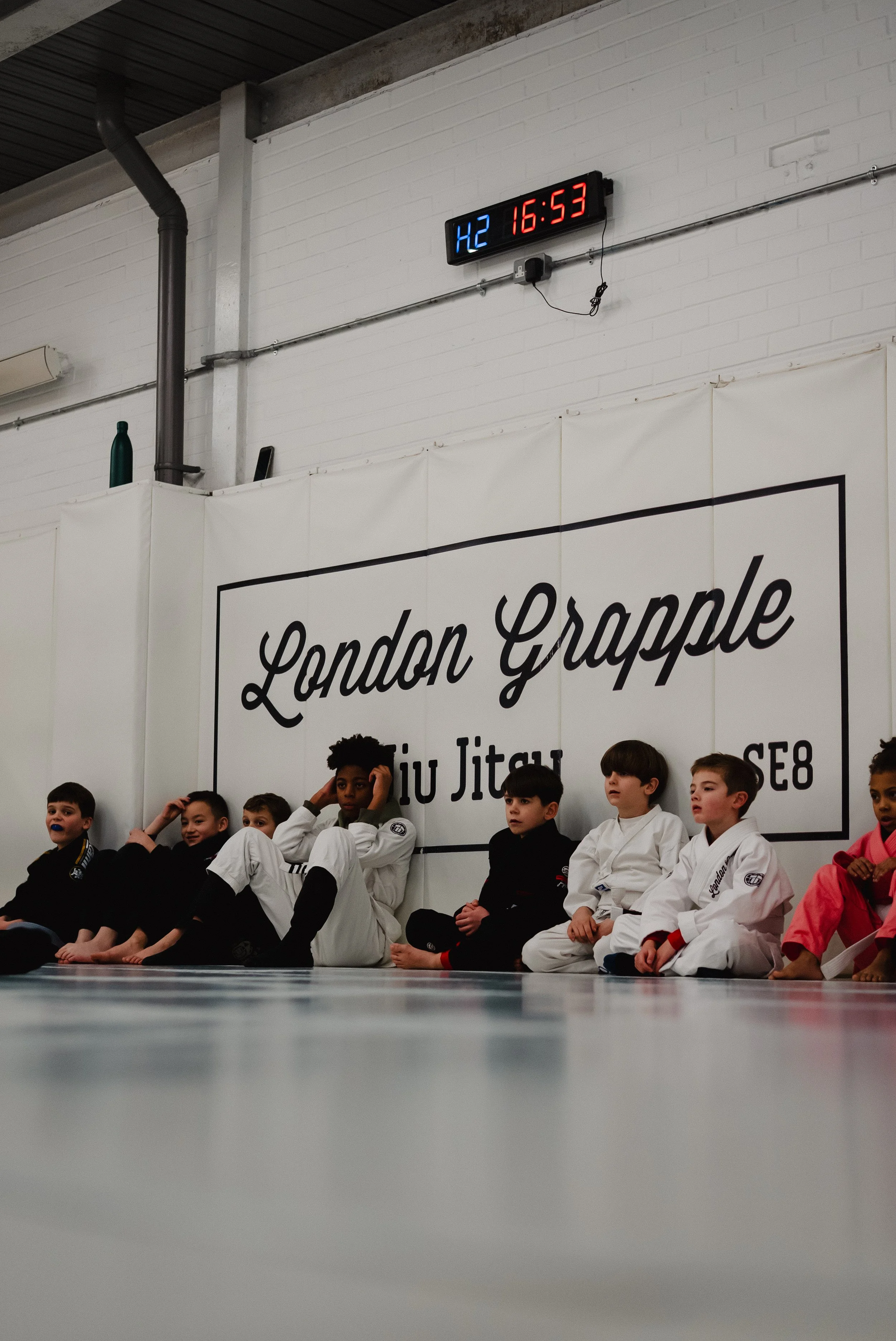
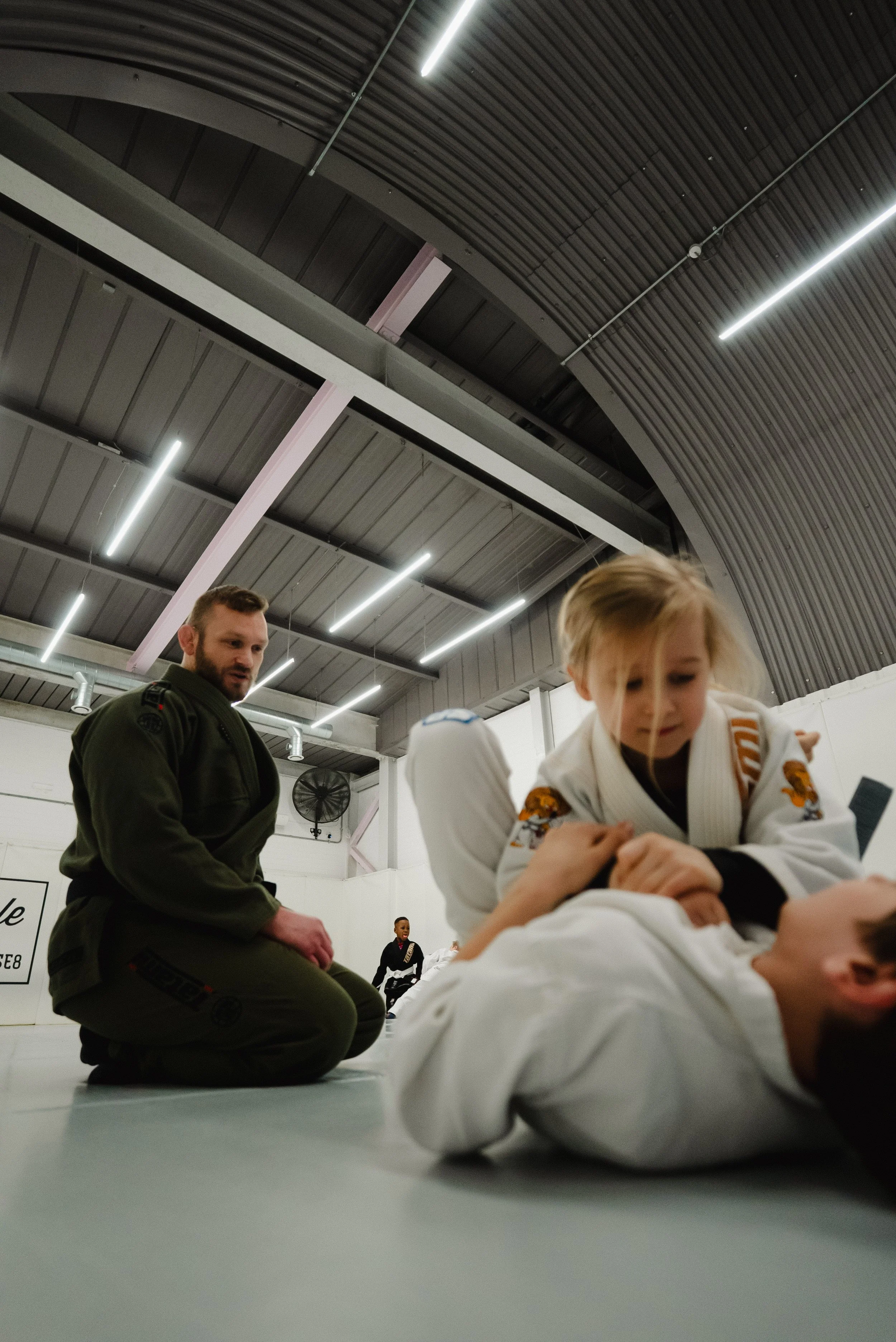
Our Kids' & Teens' BJJ classes are divided into three age groups: 4-7, 7-11 and 11-15 (see our timetable for more information). Every class is coached to the age and skill level of the group.
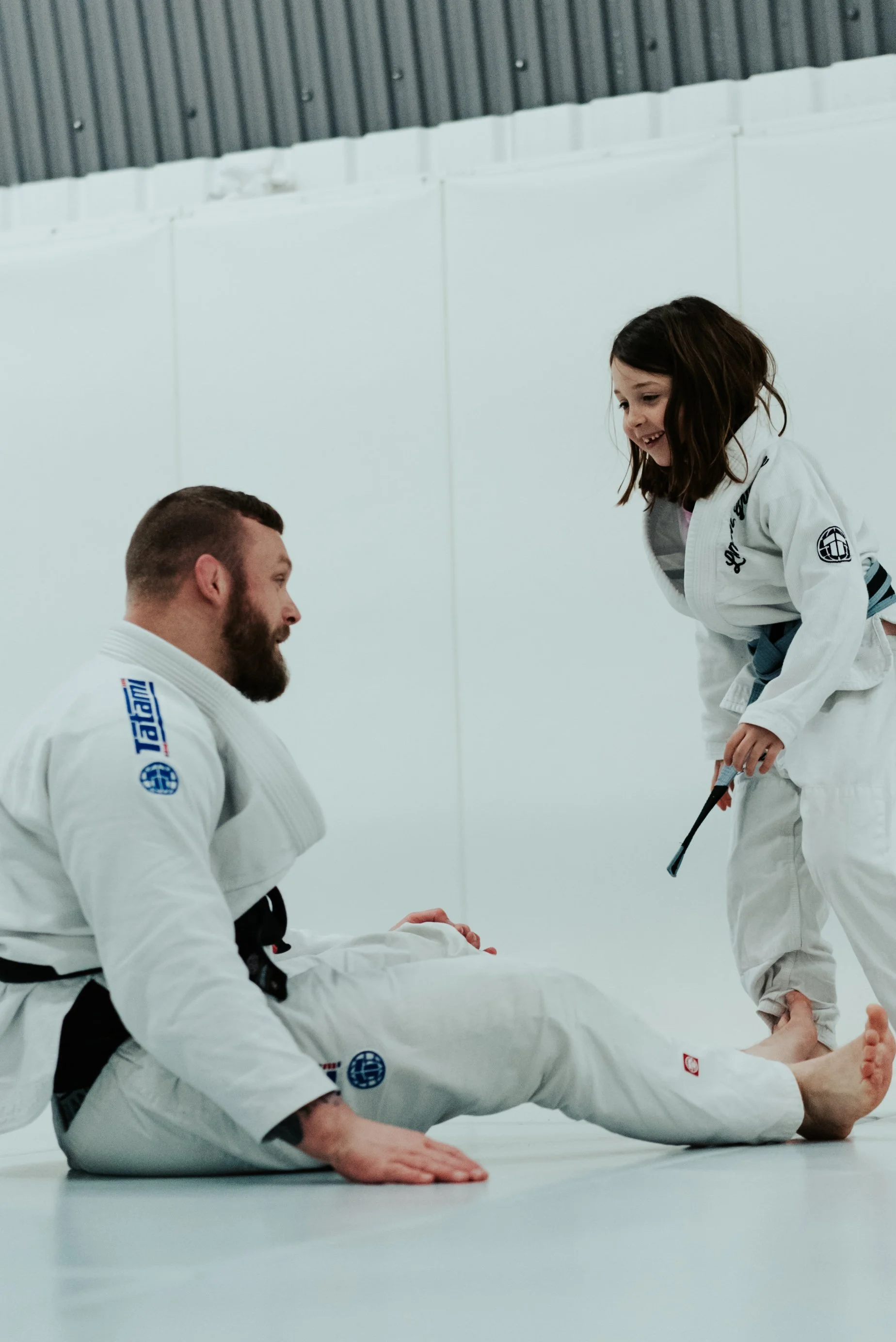
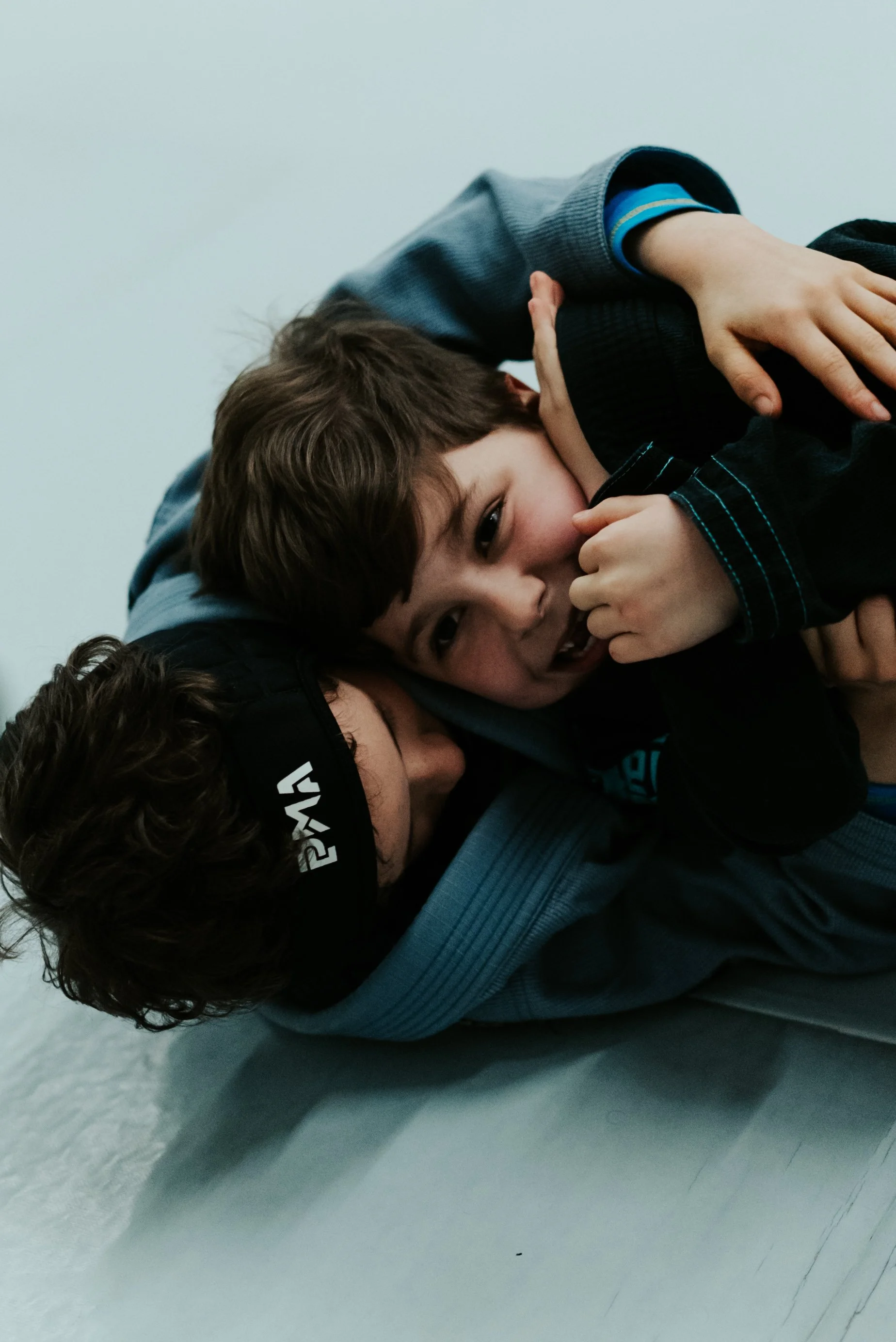
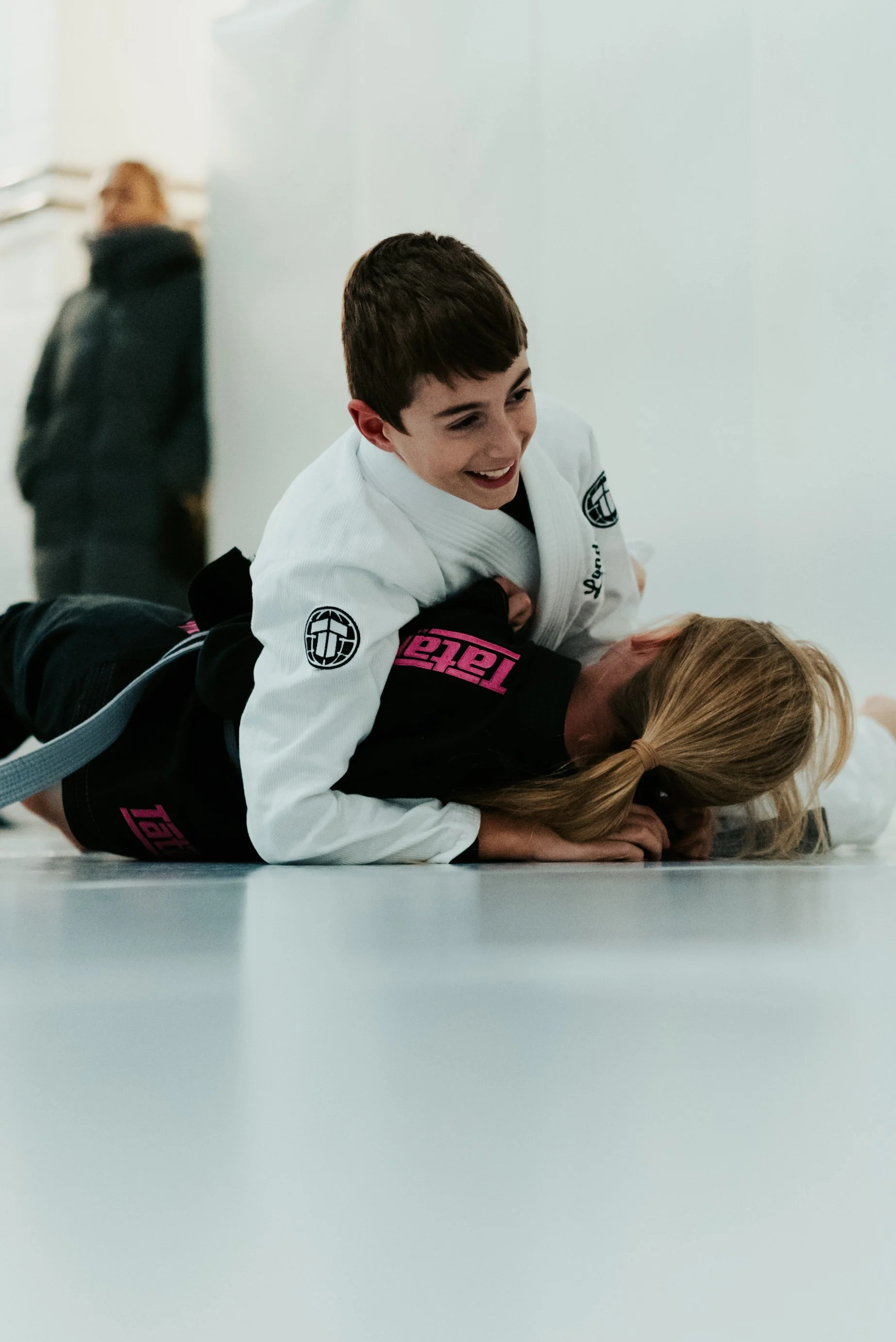
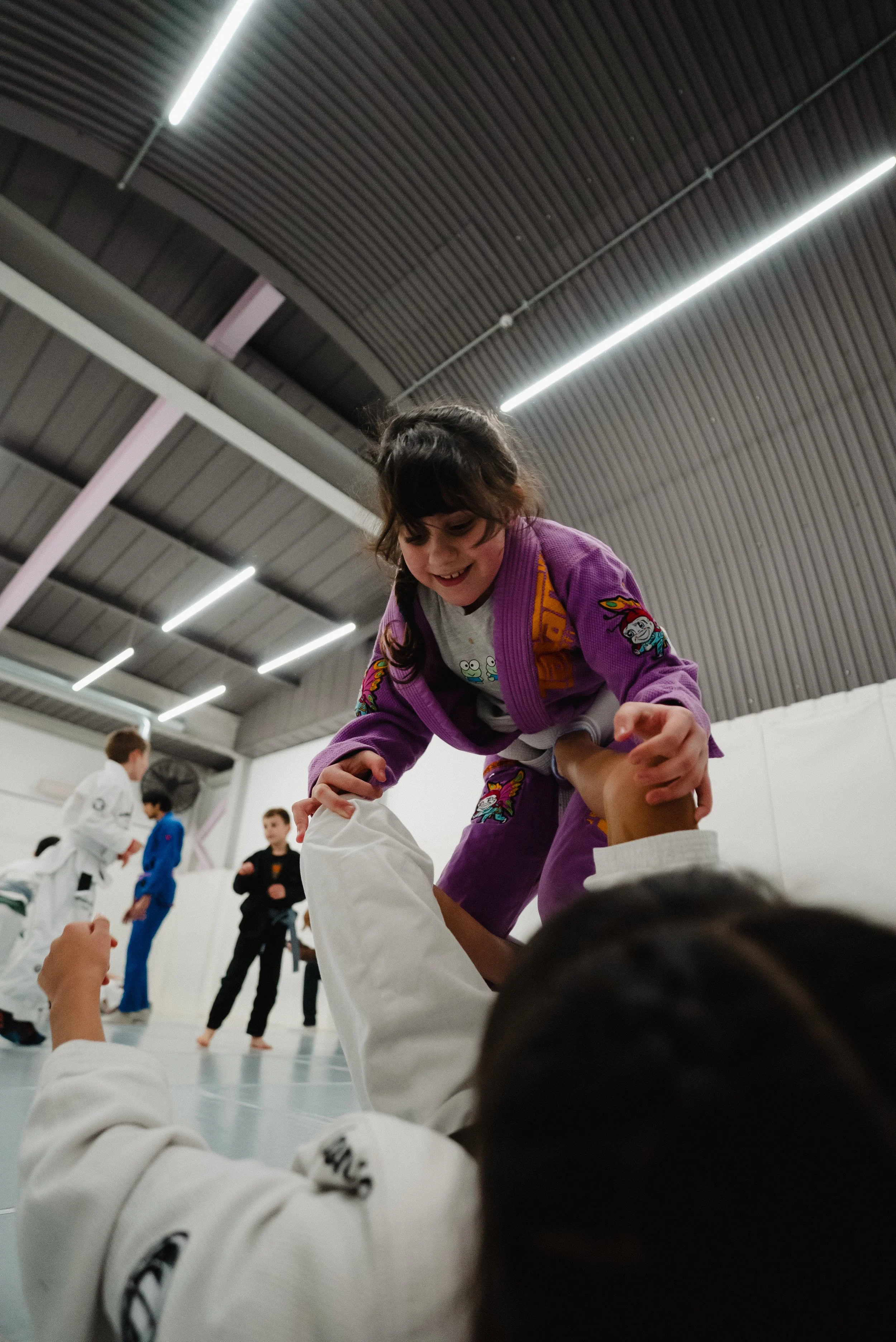
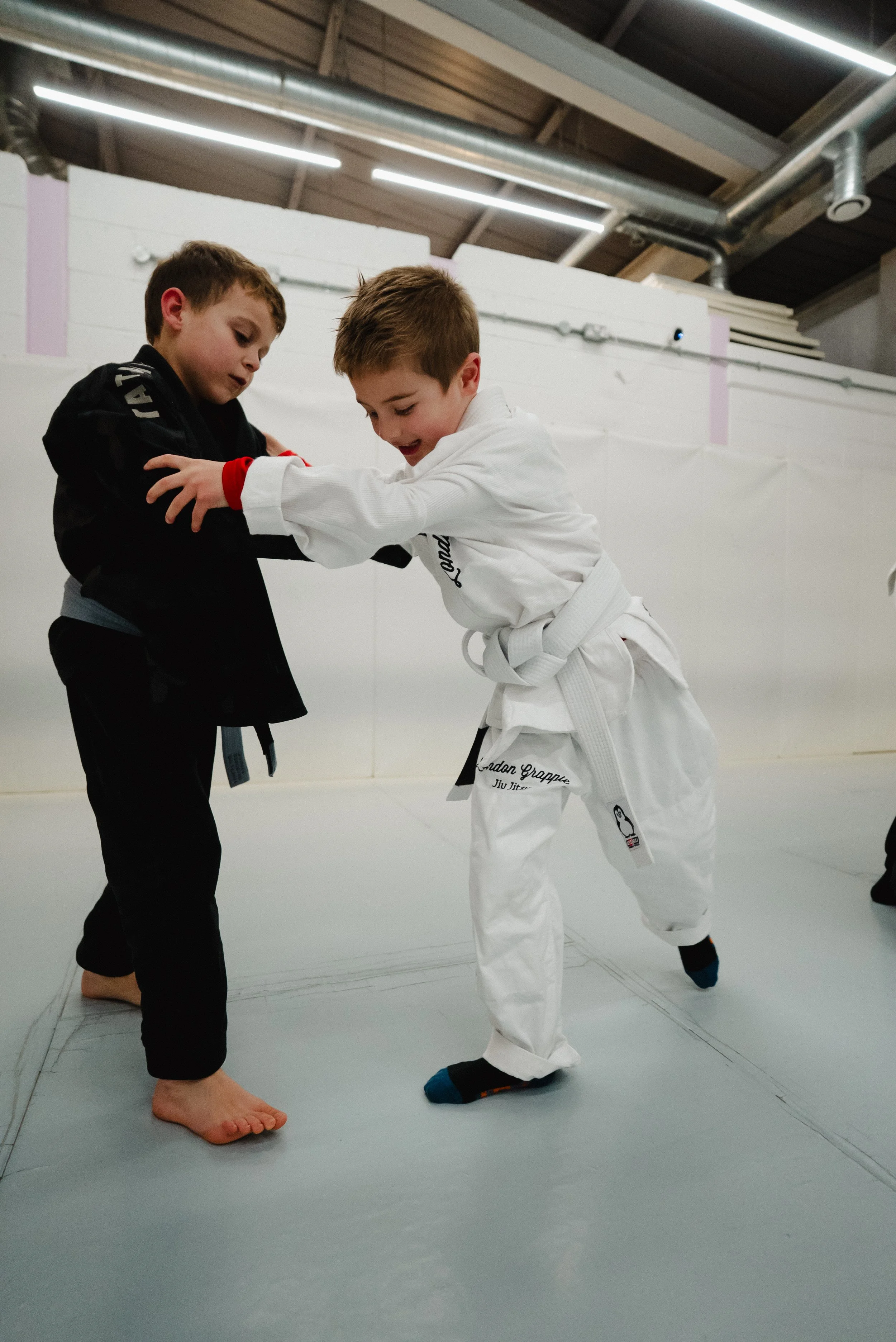
4-7: Classes are primarily fundamental and task-based, with sessions built around key movements and games, with short technique sections, including some supervised free sparring.
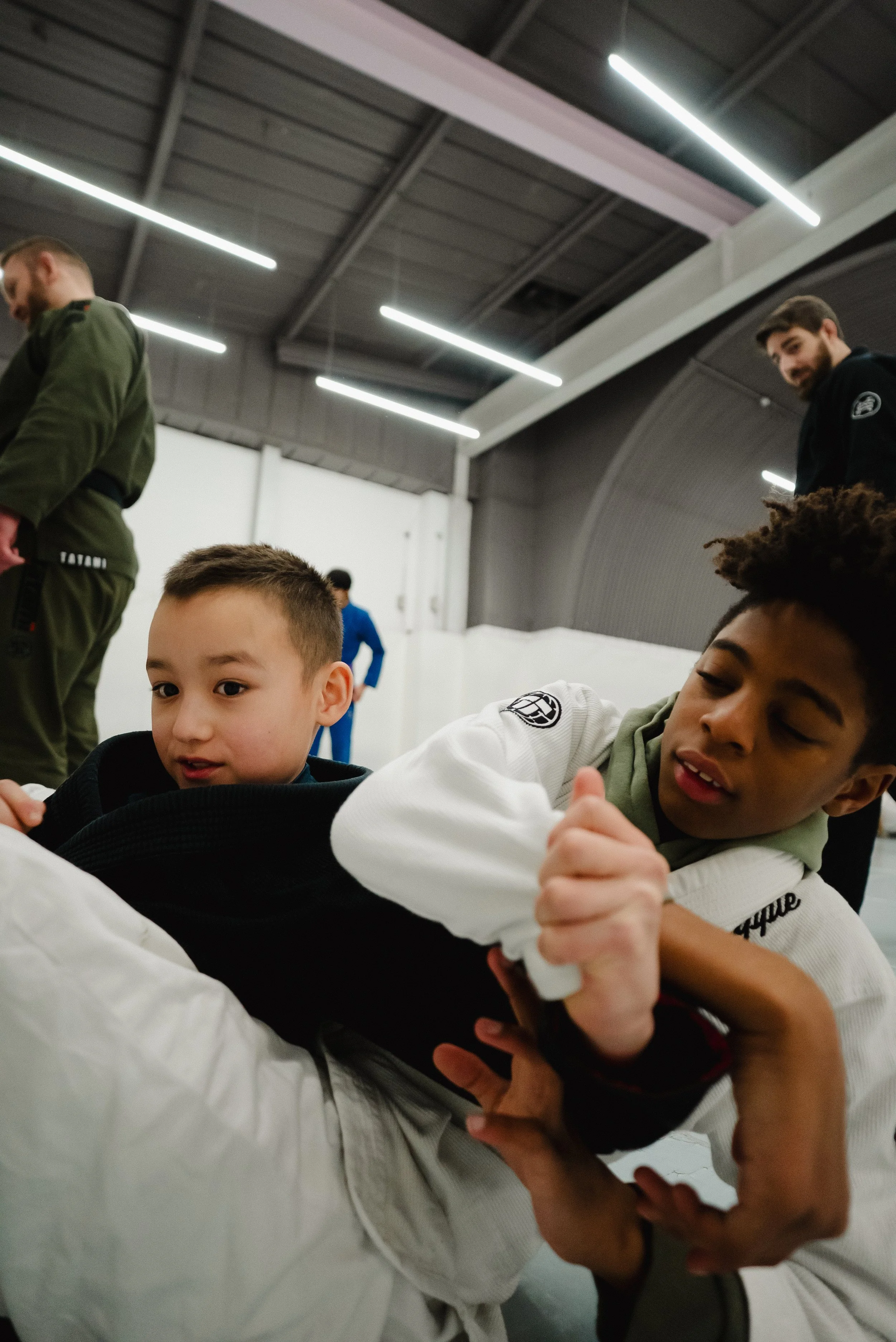
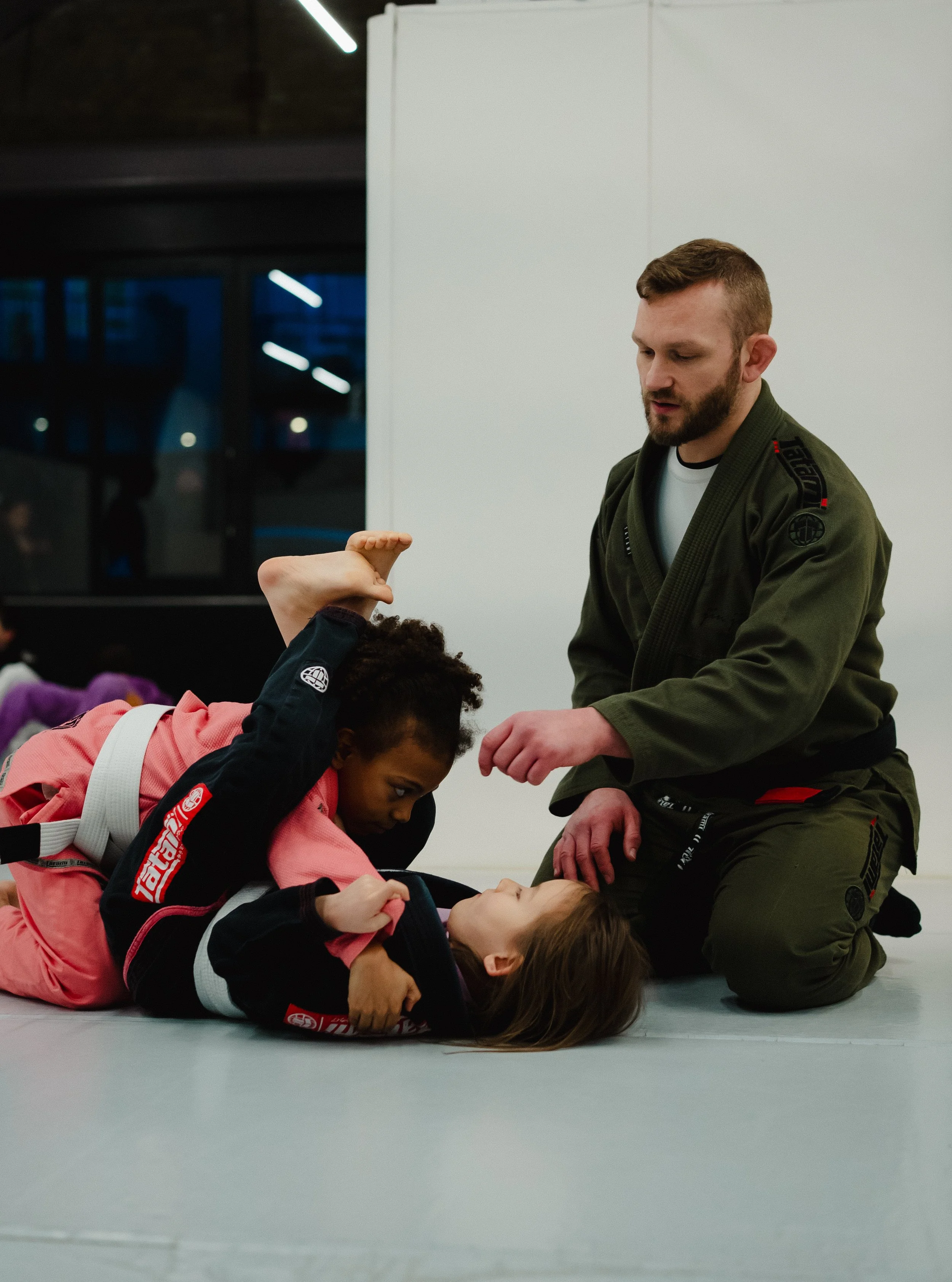
7-11: Building upon the skills developed in the 4-7 classes, these sessions work through themes (typically 2-4 week blocks for each position), laying key foundations for a systems-based approach to BJJ, including coach demonstrations, drilling with a partner, positional rounds and controlled sparring.
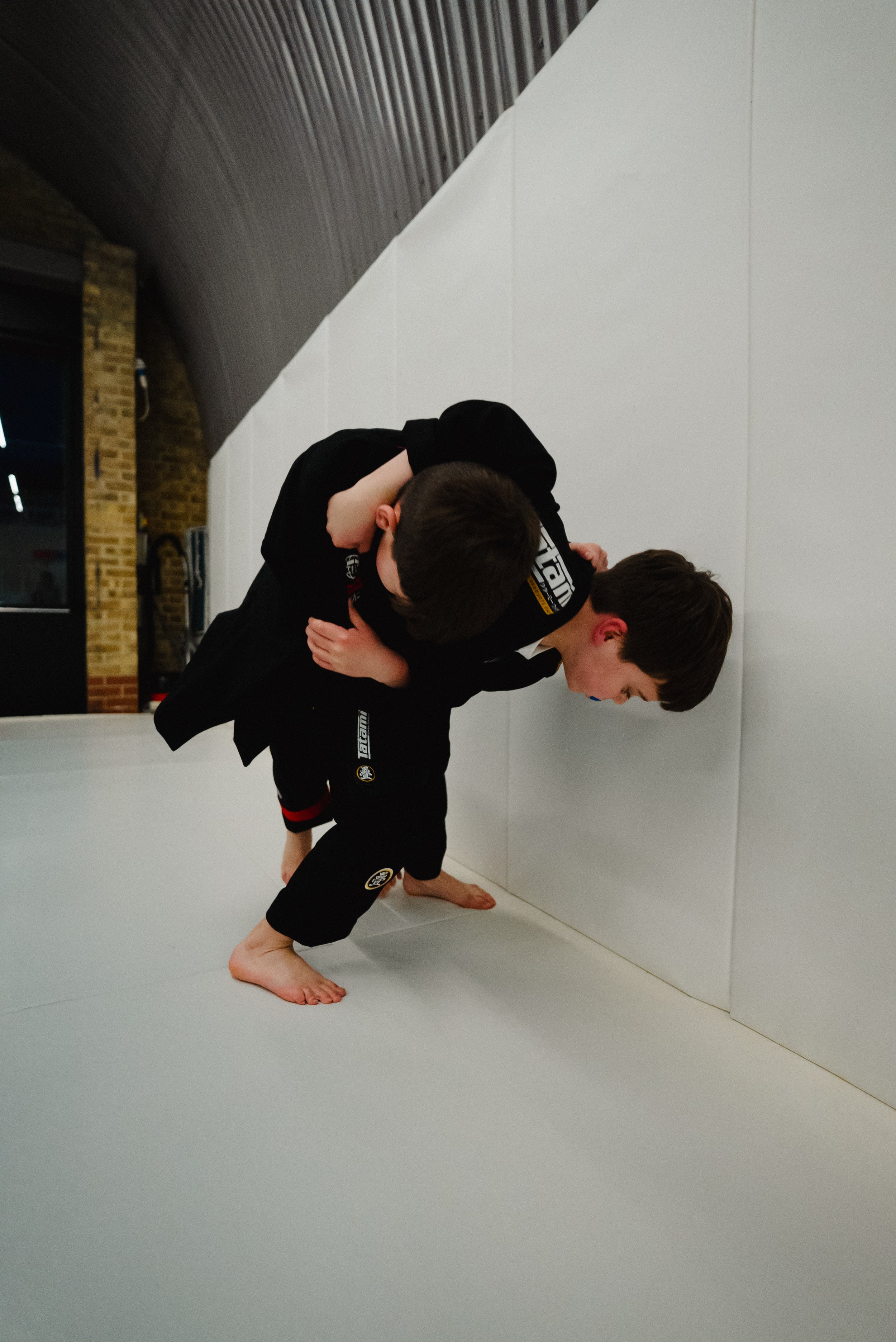
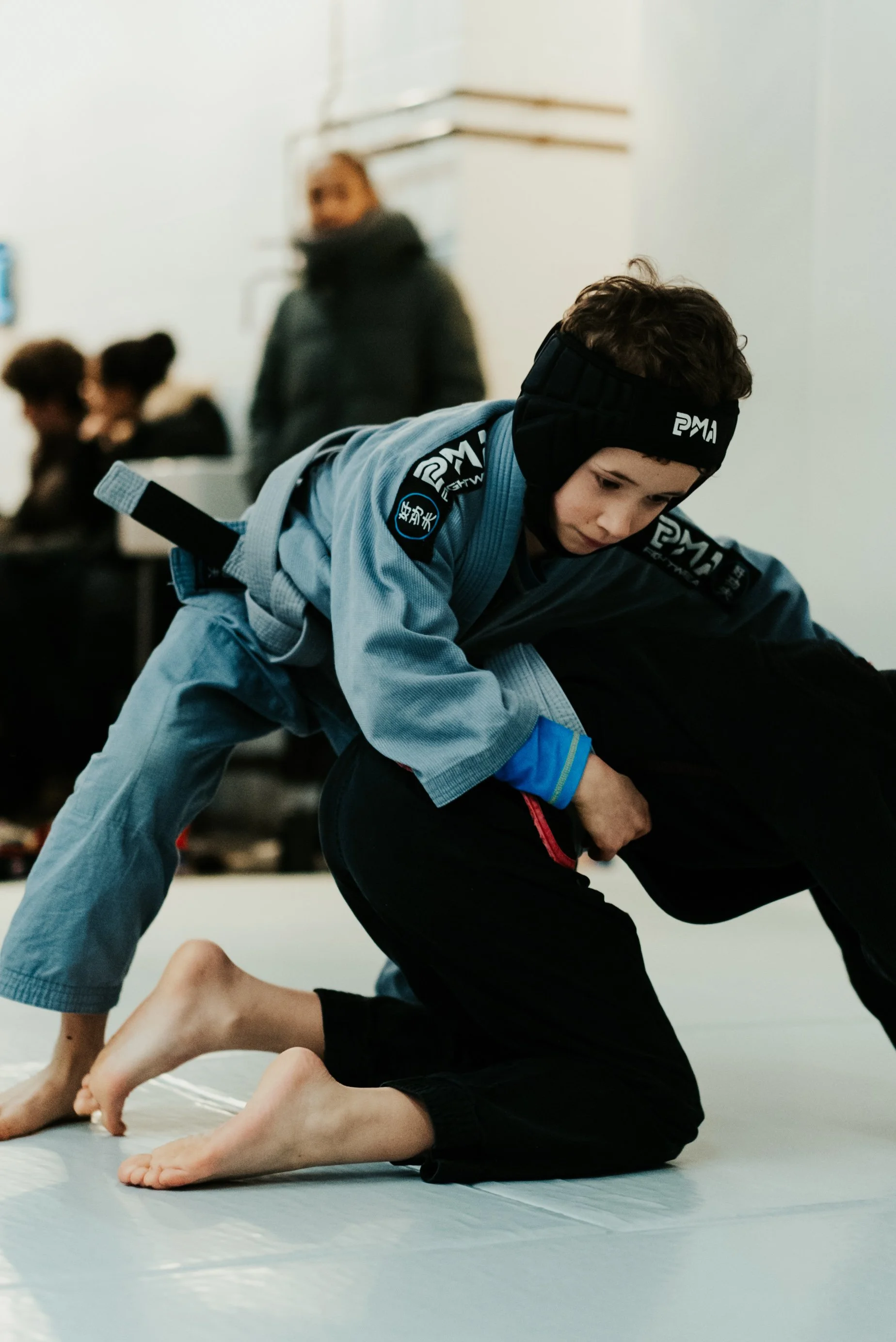
11-15: Classes continue to build on the fundamentals through to the implementation of intermediate and advanced techniques, including positional rounds and live sparring.
Gi & No Gi
What is Gi BJJ?
The traditional style of Jiu Jitsu, trained in a jacket, trousers and belt. The grips on the gi allow greater control, which makes it slower and more technical. Students who start in the gi often develop strong, hard-to-pass guards. Kids Gi classes run for ages 4-7, 7-11 and 11-15.
What is No Gi BJJ?
The modern style, trained in a rash guard and grappling shorts (no zips) or spats. With no clothing to grip, No Gi is faster and more free-flowing, with an emphasis on wrestling, body control and athleticism. Kids No Gi classes run on Fridays for ages 4-7 and 7-11.
Which should my child choose?
There's no right or wrong answer. It comes down to your child's preference and the class times that suit you. Where time permits, we recommend kids participate in both. Both are included in the 4-7 and 7-11 Kids & Teens BJJ and All Access memberships.
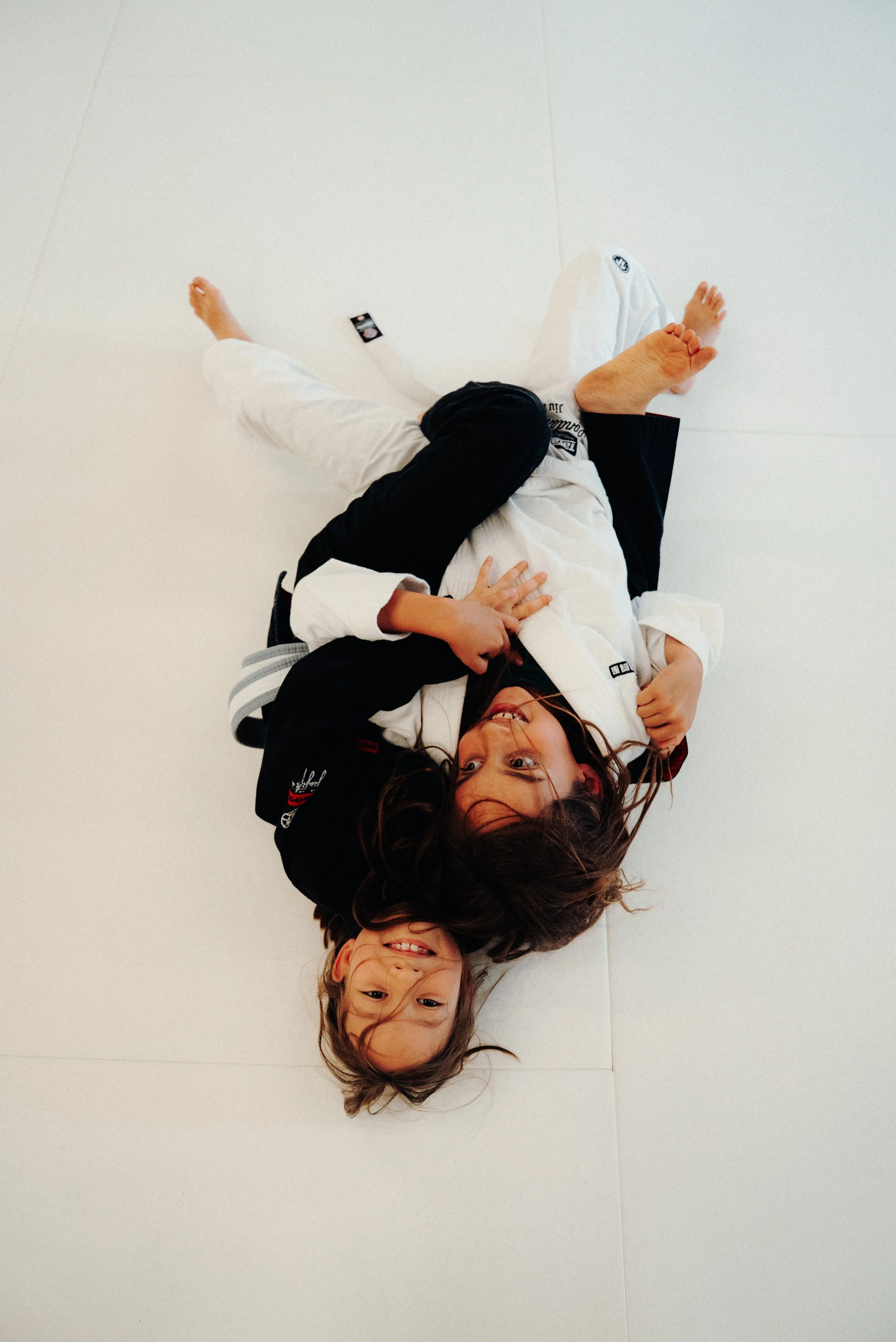
How to Participate in a Free Trial
At London Grapple, the only requirement we have is that your child is 4 years of age or older. Trial classes run Monday to Friday.
A plain t-shirt and shorts (no zips) are fine for your trial class. Upon joining, your child will need a gi and belt for Gi classes, and/or a rash guard and grappling shorts (no zips) for No Gi classes.
New members aged 4-7 and 7-11 train Monday to Friday. Saturday classes are for existing members only. Full details are in our Parent Information & Expectations.
Experienced Coaches
Our Kids’ & Teens’ BJJ classes are led by experienced and enthusiastic Martial Arts instructors with Enhanced DBS checks.
Each of our coaches brings a wealth of knowledge, a unique set of skills, and an infectious enthusiasm for Brazilian Jiu-Jitsu and teaching.

Joe Chapple

Peter Shamarkou

Zain Choudry
Why Is Jiu-Jitsu Good for Kids and Teens?
Not only is Brazilian Jiu-Jitsu a lot of fun, but it is also a great way to improve fitness, motor coordination and body awareness.
This martial art includes many of the fundamental aspects of self-defence and instils the values important in a child’s development.
Most of all, jiu-jitsu teaches kids how to deal with failure from an early age and how this is a necessary short-term outcome in any endeavour.
How Much Does it Cost?
We believe in providing high-quality training without breaking the bank so your child can enjoy the benefits of BJJ for just £80 per month. No joining fee or long-term commitments. Find out more about our flexible memberships.
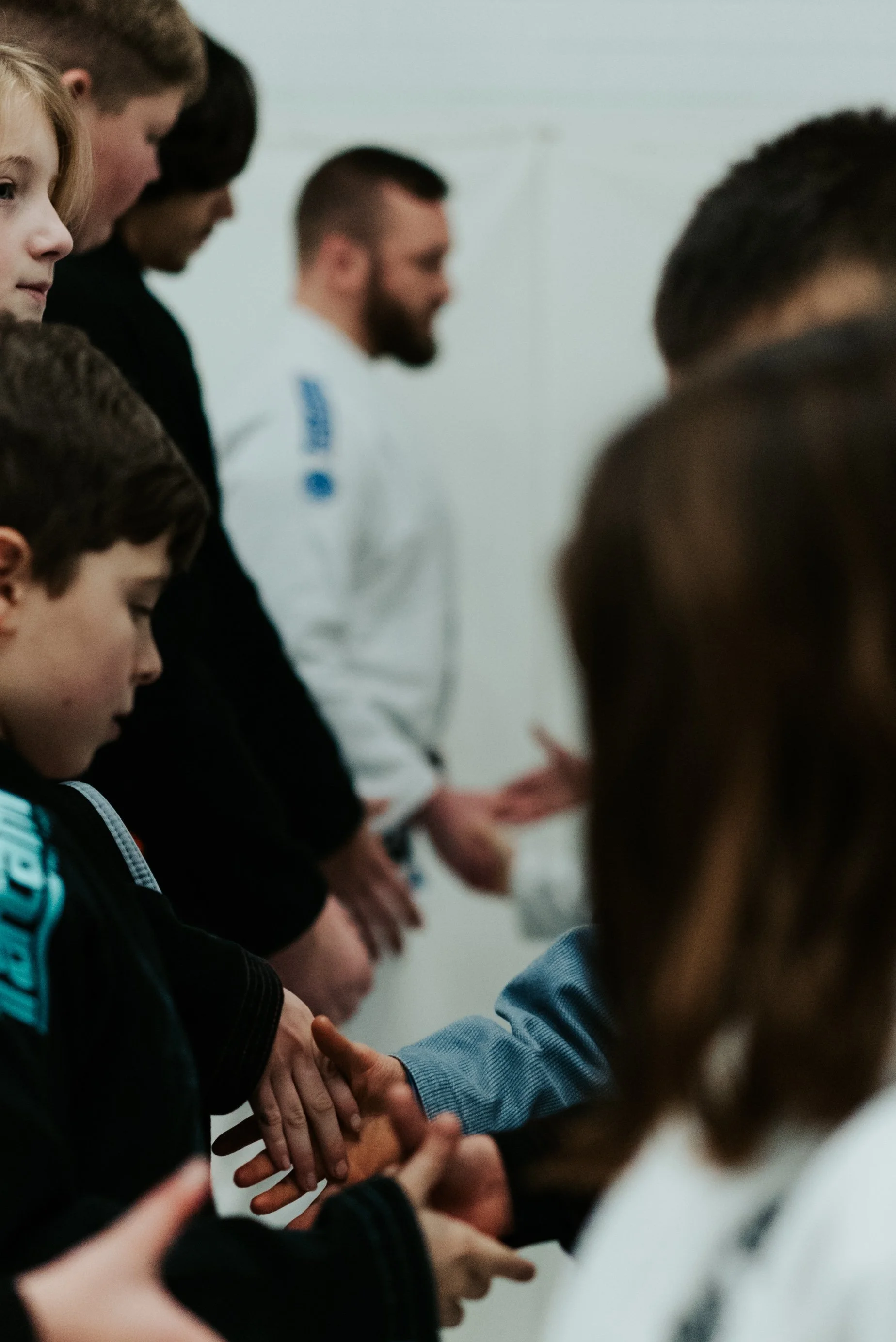
Belt & Stripe Progression
At London Grapple, we follow the IBJJF quarterly grading system. Kids and teens receive a new stripe on their belt following a period of consistent training, exhibiting the behaviours, skill development, and values we expect of them.
Kids who train consistently with strong attendance and a positive attitude can progress through stripes faster. The system is designed to reward and incentivise good habits, not penalise absence.
Belts are earned roughly every 12 to 15 months. Assessment is controlled by the head coach and reflects sustained progress across all areas, not just time on the mats. Across all belt colours and stripes, there are over 60 possible promotions for kids to work towards.
Kids' & Teens' BJJ Belt System
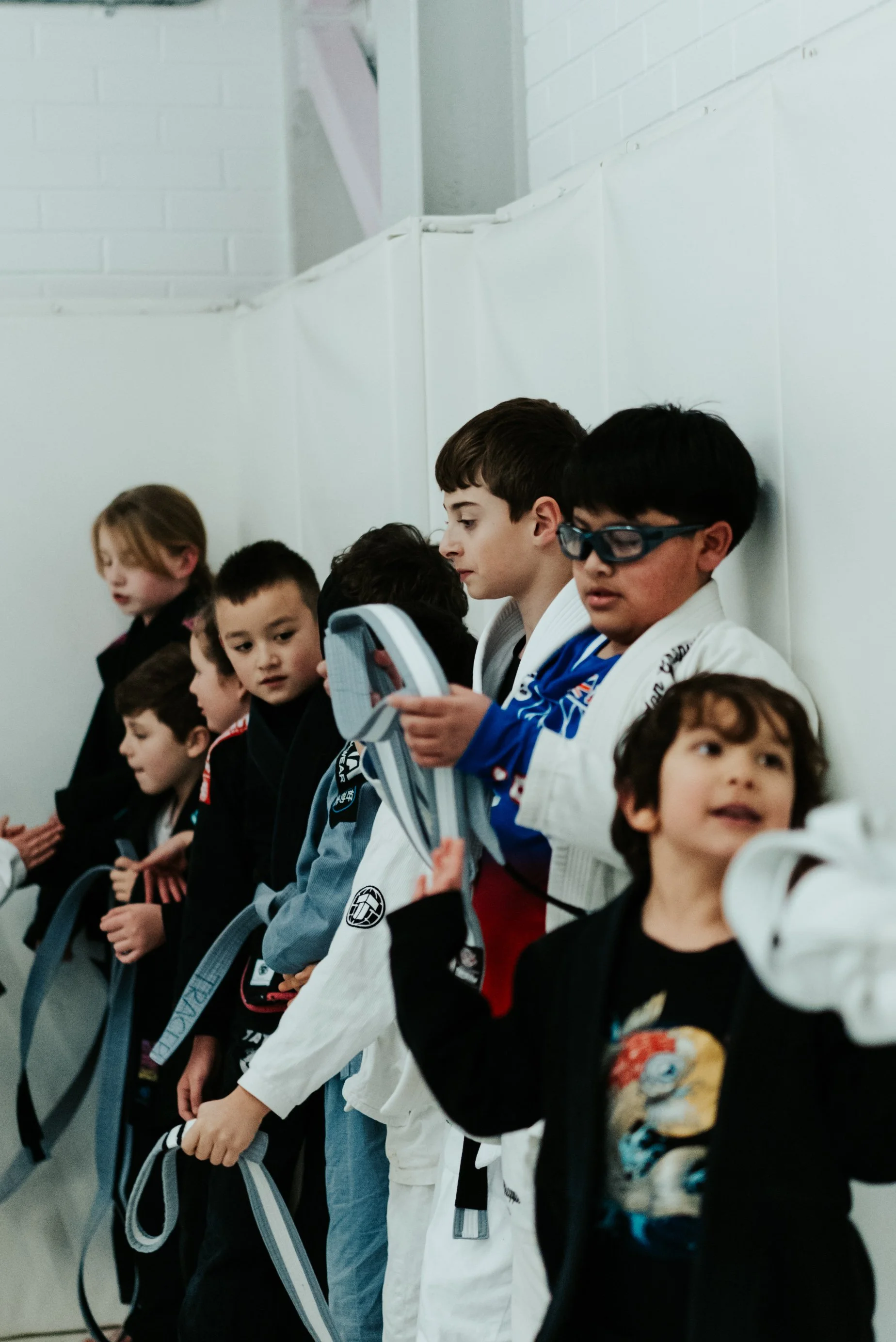
White Belt | Starting Point - Kids begin building body awareness, basic positional understanding, and trust in themselves and their training partners.
Grey Belt | Early development - Kids start to focus more on offence, learning to adjust their techniques against resisting opponents.
Yellow Belt | Technical Development - Kids begin connecting techniques into sequences rather than applying them in isolation. They start to understand why positions work, not just how to perform them.
Orange Belt | Advanced - Kids develop techniques and strategies that suit their own body type and instincts. Sparring becomes more intentional - they're solving problems in real time rather than reacting or reciting.
Green Belt | Final Belt - The final belt before adult ranks. Kids demonstrate leadership, advanced control, and a well-rounded game. Green/black belt students aged 16 are eligible to transition to blue belt in the adult system.
Kids' & Teens' BJJ FAQs
-
Our Kids’ & Teens’ BJJ classes are martial arts classes specifically designed for children and teens to learn Brazilian Jiu-Jitsu techniques in a safe and structured environment from experienced and enthusiastic instructors.
Are you looking for ‘kids martial arts near me’ to improve your child’s overall physical fitness and self-esteem? Book a free trial class and kickstart their BJJ journey with London Grapple.
-
Our BJJ classes are for children as young as 4. Our Kids' & Teens' BJJ classes are divided into three age groups: 4-7, 7-11 and 11-15.
-
In our kids' & teens’ BJJ classes, children learn fundamental BJJ techniques, including basic positions, escapes, submissions, and self-defence techniques. Classes also focus on developing coordination, balance, discipline, and confidence.
-
We take your child’s safety extremely seriously. Our Instructors emphasise safety, proper technique, and respect for training partners to minimise the risk of injury. All our instructors have first-aid training and Enhanced DBS checks.
-
No prior experience is necessary for children to join BJJ classes. Classes are open to beginners, and instruction is tailored to accommodate students of all skill levels.
-
A plain t-shirt and shorts (no zips) are fine for your child’s trial class. Upon joining, your child will need a gi and belt for Gi classes, and/or a rash guard and grappling shorts (no zips) for No Gi classes.
-
The frequency of attendance depends on your child's interest, schedule, and goals. Many children attend BJJ classes 2-3 times weekly to make consistent progress.
-
There are many opportunities for children to compete in local, national, or international tournaments if they are interested. Competing in tournaments is optional, and participation is based on the child's readiness and willingness to compete.
-
BJJ offers numerous benefits for children, including physical fitness, improved coordination and motor skills, self-defence skills, discipline, confidence and socialisation with peers in a positive environment.
-
You are more than welcome to watch your child’s BJJ class, we just ask that you leave the coaching to the coaches!